When it is indicated
- Bowel cancer screening, with or without family history
- A positive faecal occult blood test
- Persistent change in bowel habit, or bleeding
- Chronic diarrhoea and suspected inflammatory bowel disease
- Iron deficiency anaemia with no apparent cause
- Follow-up after polyp removal
Preparation is what matters most
A colonoscopy is only as good as the bowel cleansing. If the colon is not well prepared, lesions can be missed and the test has to be repeated.
You will receive detailed written instructions: a low-residue diet in the preceding days and the bowel preparation in two doses, one of them on the morning of the test. This split regimen is more effective than taking it all the night before.
If you take iron or blood thinners
Iron must be stopped a few days beforehand because it stains the lining. Anticoagulants and antiplatelet drugs need an individual plan agreed in advance, never decided on your own.
How it is done
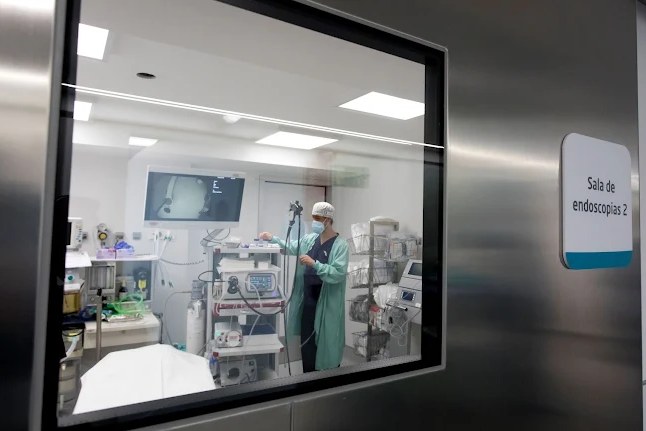
Under sedation given by an anaesthetist. The whole colon is examined up to the caecum and, when indicated, the last part of the small bowel.
If polyps are found they are removed in the same session and sent for analysis. No second procedure is needed for that.
Afterwards
Once you have recovered from the sedation you can go home accompanied. Some wind for a few hours is usual. You receive the report with images the same day.
If polyps were removed, the pathology takes a few days and determines when the test should be repeated. I set that interval out in writing for you.